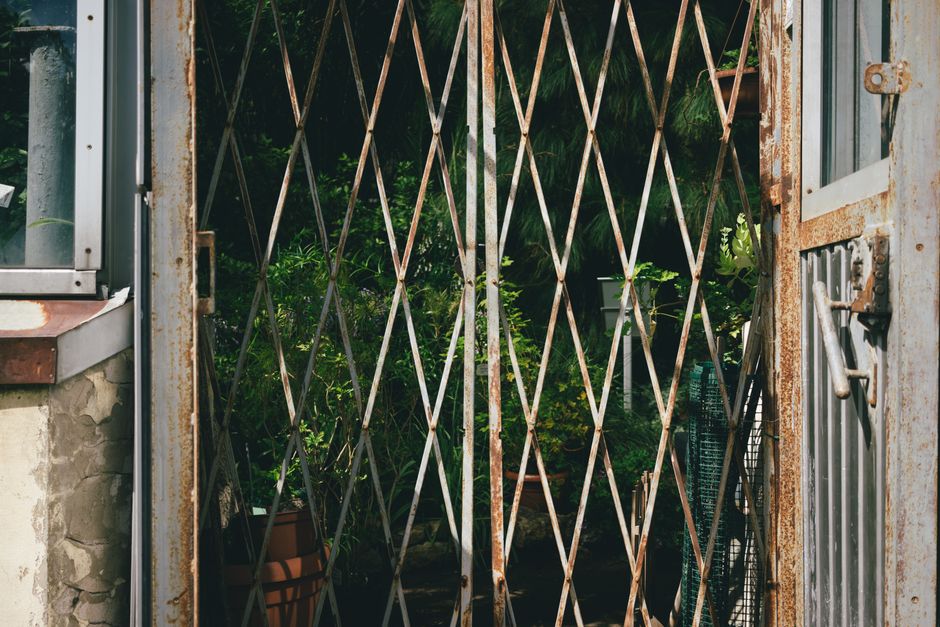
Small garden access problems in Vauxhall solutions by gardeners
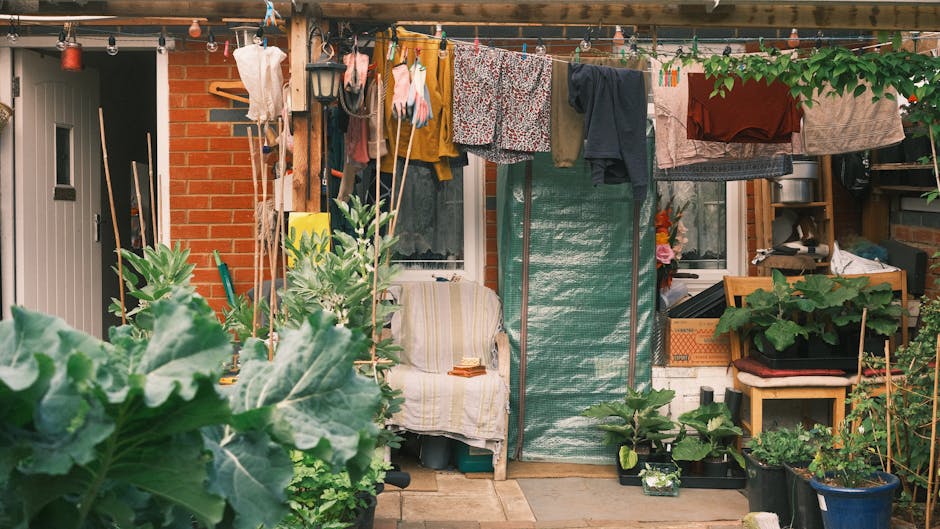
If you have ever looked at a tiny side passage, a narrow terrace entrance, or a cramped rear gate and thought, "How on earth is any garden work supposed to happen here?", you are not alone. Small garden access problems in Vauxhall are a very real part of city gardening, and the right gardeners can make the difference between a stressful job and a smooth one. In practice, access issues affect everything from clearance and hedge cutting to lawn care and landscaping. This guide explains what the problem is, how experienced gardeners handle it, and what to expect if you need a workable solution in a tight London space.
Vauxhall gardens often sit behind flats, terraces, converted buildings, or shared paths, so the challenge is rarely the planting itself. It is the getting in, moving safely, protecting surfaces, and getting waste out again. That is where careful planning matters. The good news? With the right approach, even awkward access can be managed without turning the garden into a construction site. Bit of patience, proper kit, and a sensible plan usually go a long way.
- Why it matters
- How it works
- Key benefits
- Who needs this
- Step-by-step guidance
- Expert tips
- Common mistakes
- Tools and recommendations
- Law, compliance and best practice
- Options and comparison
- Real-world example
- Practical checklist
- Conclusion
- Frequently asked questions
Why Small garden access problems in Vauxhall solutions by gardeners Matters
Access problems are not just a nuisance. They shape what is possible, how long a job takes, how much disruption there is, and whether the final result is worth the effort. In a compact Vauxhall garden, a great design can be undermined by one awkward step or a gate that only opens halfway. That is the part many people underestimate until they try to move a mower, soil bags, timber, or green waste through a narrow route.
It matters because poor access can lead to damage. Scratched floors, crushed borders, muddy hallways, chipped paint, and bent fencing are all avoidable when the job is planned properly. It also matters for safety. Gardeners need enough room to work without carrying sharp tools or heavy loads through tight, unstable spaces. Let's face it, no one wants a hedge trim that ends with a strained back and a scuffed patio.
For residents in Vauxhall, access issues are often tied to the shape of the property itself. Some gardens are only reachable through the home. Others share access with neighbours. Some have steep steps, basement lightwells, or a route that feels like a corridor rather than a garden entrance. The right solution starts with recognising that the access route is part of the job, not a side note.
When you work with a team that understands these constraints, you get better planning, cleaner execution, and a more realistic quote. That usually means fewer surprises on the day and a result that feels calm rather than chaotic. If you are comparing service options, it can help to review the wider services overview so you can match the job to the right level of support.
How Small garden access problems in Vauxhall solutions by gardeners Works
Solving access problems is really about sequencing. Good gardeners do not simply arrive with tools and hope for the best. They assess the route, the task, the amount of waste likely to be produced, and the equipment size that will fit comfortably through the space. In a small garden, a little planning saves a lot of lifting later.
The process usually begins with a visual check. This may be done from photos, a phone call, or a visit. The gardener will want to know how the garden is reached, whether there are steps or narrow doors, whether there is vehicle access nearby, and whether materials need to pass through a property or communal area. If the job involves substantial tidying or a full reset, a service such as garden clearance can be especially useful because it focuses on getting problem areas under control without improvising on the day.
From there, the approach may include smaller tools, hand removal of waste, staged work, or breaking the task into sections. For example, a hedge may be cut in manageable parts rather than in one big sweep. Lawn work might be done with a compact mower or by hand where access is especially tight. Landscaping materials may be brought in in smaller loads. Nothing glamorous about it, but it works.
For more routine upkeep, a structured garden maintenance plan can prevent access issues from becoming worse. Overgrown paths, cluttered storage corners, and untrimmed boundaries all make small spaces feel even smaller. A tidy maintenance rhythm keeps the job lighter and the access easier.
In real terms, the "solution" is often a combination of preparation, careful transport, and realistic scope. If the route is too narrow for standard tools, the gardener adapts. If waste removal through the house is the only option, protective coverings and dust sheets become part of the working method. Simple idea. Harder in execution, yes, but absolutely manageable.
Key Benefits and Practical Advantages
There are a few very practical reasons why dealing with access properly pays off. The first is time. A team that understands your garden's limitations is far less likely to waste time trying to squeeze the wrong equipment through the wrong opening. That means the day stays efficient, and your space gets put back together sooner.
The second is protection. Small gardens often sit close to the home, so there is less room for error. A careful access strategy protects floors, walls, fences, plants, and neighbouring property. It is easy to forget how quickly a few awkward trips can leave marks. And once those marks are there, they are annoying every time you walk past them.
The third benefit is better results. When access is planned well, the gardener can focus on the actual work rather than fighting the route to the work. That usually shows up in the finish: cleaner edges, smarter positioning of plants or timber, and tidier waste handling. In a small space, neatness is not a luxury. It is the whole point.
Here is a quick comparison of what tends to happen when access is planned well versus when it is not:
| Area of impact | With access planning | Without access planning |
|---|---|---|
| Time on site | Usually smoother and more predictable | Often slower because of repeated manoeuvring |
| Property protection | Floors, doors, and paths are easier to safeguard | Higher chance of scuffs, spills, and accidental damage |
| Waste removal | Handled in stages with less mess | Can become bulky, awkward, and messy fast |
| Quality of finish | Gardener can concentrate on detail | Good work can be limited by frustration and delay |
If your small garden also needs structural change, not just cutting and clearing, then a joined-up landscape gardening approach may be the better fit. That way, access is considered from the design stage rather than patched in later.
Who This Is For and When It Makes Sense
This is for anyone with a garden that is awkward to reach, awkward to work in, or awkward to clear out. That includes homeowners, tenants with permission, landlords, property managers, and people responsible for compact courtyards or shared outdoor areas. If you have ever thought, "This would be easy if only we could get to it properly," then this section is for you.
It makes sense when the garden is small but the access challenge is bigger than the work itself. A classic example is a narrow passage leading to a modest rear garden. The plants are not the problem. The bulky bag of waste or wide tool is. Another example is a basement or lower-ground garden where steps and turns make every movement slower. In those situations, a gardener with the right mindset can be worth more than someone with a van full of kit and no plan.
It also makes sense if you are trying to avoid disturbing neighbours or shared areas. In Vauxhall, that matters. Noise, mess, and repeated trips through communal entrances can become awkward very quickly. A good plan reduces friction all round. No drama. No apologising to everyone in the building for three days straight.
If the job includes overgrowth, blocked pathways, or several seasons of neglect, the need becomes even clearer. A compact garden can become surprisingly hard to use when hedges, climbers, or self-seeding plants take over. In those cases, services like hedge trimming and even lawn mowing may need to be scheduled alongside clearance so the space becomes workable again.
Step-by-Step Guidance
Here is a sensible way to approach small garden access problems before the work starts. This is not flashy, but it is effective.
- Measure the access route. Check gate widths, stair turns, corridor space, and any tight corners. If a wheelbarrow cannot make the turn, that changes the method immediately.
- Identify what must pass through the space. Tools, compost, timber, soil, rubble, and waste all have different handling needs. A small access route may be fine for pruning tools but not for bulky clearance sacks.
- Decide how the job should be broken up. Large jobs often work better in stages. For example: cut back growth first, clear waste second, then complete any planting or finishing touches.
- Protect the route. Use coverings, corner protection, and sensible lifting technique. If work passes through the house, the protection needs to be even more careful.
- Choose compact or hand tools where needed. Sometimes a standard machine is simply the wrong answer. Smaller kit may take longer, but it can prevent damage and keep the job moving.
- Plan waste removal in advance. If bags must be carried through a property, keep them light and manageable. If waste is being lifted out in batches, make sure the route stays clear.
- Finish with a final sweep. In a small garden, the last 10% of tidying makes a huge visual difference. You will notice it straight away.
A small detail often missed: if access is tight, the order of work matters more than usual. For example, clearing waste before doing final pruning may save you from carrying trimmings across freshly finished areas. That sounds obvious once said, but honestly, it is one of those things people only learn the hard way.
Expert Tips for Better Results
One of the best things you can do is share photos before the visit. Not glamorous, but incredibly useful. A picture of the gate, the route, the garden itself, and any awkward steps helps the gardener estimate what is needed. If possible, include a shot of the access point from both sides. A lot can be understood from one or two decent images.
Another useful tip is to be honest about clutter. Pots, bikes, bins, garden furniture, child equipment, and stored tools all take up space. It is much easier for a gardener to work around them if they know in advance. In a compact London garden, one forgotten stack of timber can throw the whole rhythm off.
Here are a few expert habits that consistently improve outcomes:
- Keep the access route open before the appointment.
- Move fragile items indoors or to a safe corner.
- Let the gardener know about uneven paving, slippery steps, or locked shared gates.
- Ask whether the team prefers clearance work before maintenance work.
- Use routine care to prevent the garden from closing in on itself.
If the space is particularly hard to move through, a combination of services may be better than one catch-all visit. For example, a small area that has become heavily overgrown might need clearance first, then a neat reset, then ongoing upkeep. That is often where garden clearance and garden maintenance work best together.
And one more thing. Do not assume bigger equipment equals a better result. Sometimes the smartest move is the smallest tool. A bit counterintuitive, I know, but that is how small-space gardening often goes.
Common Mistakes to Avoid
The biggest mistake is underestimating the access route. People often describe the garden itself in detail but say almost nothing about how you get to it. Then the gardener arrives and discovers a narrow turn, a steep step, or a passage that is only just wide enough for a person. That creates delay and stress for everyone.
Another common error is assuming all waste can be removed the same way. In a small property, waste management is part of the service design. Green waste, soil, old timber, and broken fixtures are not equal in size or handling difficulty. If you try to treat them as if they are, the whole job can become unnecessarily awkward.
People also forget about the home itself. If access runs through the property, then interior protection matters. Shoes, dust, moisture, and the occasional sharp edge can all cause trouble. A professional will normally treat those areas with care, but the more information they have, the better.
Here are the mistakes that most often create headaches:
- Booking before measuring gate widths and turning space.
- Not mentioning stairs, slopes, or shared entrances.
- Leaving clutter in the access route on the day.
- Expecting standard tools to fit every small garden.
- Skipping ongoing maintenance until the access problem becomes much worse.
To be fair, these are all understandable mistakes. Most people do not live and breathe access planning. But once you know what to watch for, it becomes much easier to avoid the awkward bits.
Tools, Resources and Recommendations
The right tools depend on the route, the job, and the amount of material involved. In a tight Vauxhall garden, the practical favourites are often the smallest ones that still do the job properly. Hand shears, compact pruning tools, lightweight rakes, and smaller waste containers can be more valuable than large machinery simply because they fit where they need to fit.
For tidying and finish work, a good sweeping brush, tarp, protective sheets, and sturdy gloves make a noticeable difference. For areas with difficult grass or edging, a compact approach is usually more controlled than trying to push oversized equipment through a space it was never designed for. And if the garden includes trees or tall, awkward growth, a specialist service such as tree lopping and removal may be the safer route than trying to work around it.
If hard surfaces or transitions are part of the access issue, design choices can also help over time. For example, a better-laid path or a more practical seating area can make the garden easier to maintain. If you are improving the layout rather than just the planting, landscaping can play a major role in making the space more usable and easier to enter.
Some other useful considerations:
- Route protection: sheets, mats, or coverings for indoor passageways.
- Waste handling: manageable sacks, staged loading, or smaller clear-out runs.
- Surface care: gentle tools where paving, wood, or glass is close by.
- Weather timing: damp mornings and wet paths can make tight access routes slippery.
If you are comparing service packages, it is sensible to look at pricing and quotes alongside the scope of access required. A small job with difficult access can take more planning than a bigger job with open access, so the quote should reflect the real work involved rather than just the size of the garden.
Law, Compliance, Standards, or Best Practice
In the UK, the main issue with small garden access is usually not a specific gardening law. It is the practical duty to work safely, avoid unreasonable damage, and respect shared spaces. That said, professional gardeners are generally expected to follow sensible health and safety practice, use equipment appropriately, and manage waste responsibly.
If the route runs through a home or communal area, the standard of care should rise accordingly. Floors, carpets, painted walls, and handrails should be protected where needed. If tools are being carried through tight spaces, they should be handled in a way that reduces the risk of injury. Basic? Yes. But those basics matter the most when space is limited.
Good practice also includes clear communication. The gardener should understand access restrictions before arriving, and the customer should know what preparation is helpful. That might mean moving vehicles, unlocking gates, clearing a path, or warning neighbours if access will be shared. When everyone knows the plan, things tend to go far more smoothly.
For service standards and customer-facing expectations, it is also useful to review pages such as health and safety policy, insurance and safety, and recycling and sustainability. These pages help set a sensible expectation around safe work, responsible disposal, and how materials are handled after a job is completed.
If you are a resident in a flat or shared building, accessibility matters too. A business that takes access seriously should also think carefully about inclusion, route clarity, and clear contact methods. It is one of those quiet indicators that the company is organised rather than just busy.
Options, Methods, or Comparison Table
There is no single fix for a small access garden. The best method depends on what is being done and how awkward the route is. Here is a simple comparison to help you think it through.
| Method | Best for | Pros | Limitations |
|---|---|---|---|
| Hand tools and manual carrying | Very tight access and light-to-medium tasks | Flexible, careful, low risk of damage | Slower for larger clearances |
| Compact equipment | Small gardens with limited but workable routes | Efficient without being oversized | Still needs enough turning room |
| Staged clearance | Overgrown or cluttered spaces | Reduces pressure on the route and the team | May take more than one visit |
| Combined maintenance and landscaping | Gardens that need a practical reset | Improves access and long-term usability | Needs clear planning and a realistic scope |
The right choice often depends on whether the access issue is temporary or built into the property. Temporary clutter can be cleared and managed. Structural access issues, like a very narrow side return or awkward steps, may call for a more permanent design rethink through landscape gardening or another tailored approach. Sometimes the route itself is the project.
Case Study or Real-World Example
Picture a small rear garden behind a Vauxhall flat. The garden itself is modest: a narrow strip, a patch of tired lawn, some overgrown shrubs, and a few broken pots. Nothing dramatic. The real issue is access. The only route is through a shared hallway and a back door that opens into a tight passage with a couple of turns. On paper, it looks like a straightforward tidy-up. In reality, it is a careful carrying exercise.
In a situation like this, a sensible gardener would start by protecting the route and splitting the work into stages. Light pruning would come first, with clippings collected as they go. Then the larger waste would be bagged in smaller loads so nothing became unwieldy. The lawn area would be cut with a compact approach rather than a heavy machine. Final tidy-up would happen last, once the major movement through the property was finished.
What tends to impress homeowners in these jobs is not the speed. It is the calm. The garden starts to look manageable again, and the access route is no longer the thing everyone is worrying about. You can almost feel the tension leaving the space once the clutter is gone. A bit dramatic, maybe, but true enough.
In a more ambitious version of the same garden, the owner may decide that a deeper reset is worthwhile. That could include better path layout, a more practical seating area, or hard landscaping that makes future maintenance easier. In that case, work may move beyond clearance and into more considered decking services or broader landscaping support. The point is not to overbuild. The point is to make the garden fit real life.
Practical Checklist
Use this before booking or starting work. It saves trouble, honestly.
- Measure gate widths, steps, and any narrow turns.
- Check whether access is through the property, a side passage, or shared space.
- Take photos of the access route and the garden itself.
- Move clutter, bins, bikes, and loose items out of the way.
- Tell the gardener about uneven paving, wet patches, or low walls.
- Ask how waste will be removed and where it will be carried.
- Confirm whether compact tools or staged work will be needed.
- Protect floors and walls if work passes indoors.
- Decide whether the job is a one-off clearance or ongoing maintenance.
- Review service information, including about us and contact us, if you want to understand how the team operates and how to get in touch.
One last practical note: if the garden has become difficult because of years of neglect, do not feel embarrassed. Small spaces can spiral quickly. It happens more often than people admit.
Get a free quote today and see how much you can save.
Conclusion
Small garden access problems in Vauxhall are not a dead end. They are a planning problem, and planning problems can usually be solved with the right method, the right tools, and a gardener who knows how to work in tight spaces without making a mess of the route. The best results come from honest communication, realistic expectations, and a focus on the practical details that make a compact garden usable again.
If your garden feels awkward to reach, that does not mean it is awkward to improve. It just means the access needs to be part of the brief from the start. Once that is understood, the whole job becomes much easier to manage. And usually, much less stressful too.
A well-handled small garden can feel surprisingly generous once the access issues are sorted. That is the nice part. You suddenly notice the light, the space, the breathing room. Worth it, every time.
Frequently Asked Questions
What are the most common small garden access problems in Vauxhall?
The most common issues are narrow side passages, tight gates, shared entrances, basement steps, and routes that pass through the property. These make moving tools and waste more difficult.
Can gardeners work in a garden if the only access is through the house?
Yes, usually they can, provided the route is protected and the work is planned carefully. The gardener should know in advance so they can bring suitable coverings and keep mess under control.
Do small access problems make garden work more expensive?
They can, because awkward access often takes more time and more careful handling. But the cost depends on the actual work involved, the amount of waste, and how difficult the route is.
What should I measure before asking for a quote?
Measure gate width, path width, step height, turning space, and any low or narrow points. Photos are helpful too, especially if the route includes corners or shared areas.
Is a compact mower always the best choice for a small garden?
Not always. A compact mower helps in many cases, but some spaces are better handled with hand tools or a staged approach. The best tool depends on the garden and the access route.
How do gardeners protect floors and walls when access is tight?
They may use sheets, mats, corner protection, careful lifting, and tidy bagging methods. The aim is to reduce scuffs, spills, and accidental knocks while moving equipment through the property.
Can access issues affect hedge trimming or lawn mowing?
Yes. If the garden is hard to reach, even routine tasks like hedge trimming or lawn mowing may need smaller equipment, more manual handling, or a different work sequence.
What if my garden is overgrown and access is already poor?
That is common in city gardens. A clearance-first approach is usually the best start, because it opens up the route and makes later maintenance far easier.
Should I clear the access route before the gardener arrives?
Yes, if you can. Moving bins, bikes, furniture, and loose items out of the way helps the work start on time and reduces the chance of accidental damage.
How do I know whether I need garden clearance or ongoing maintenance?
If the space is cluttered, heavily overgrown, or difficult to access because it has not been maintained for a while, clearance may come first. If the garden is already manageable, maintenance is often the better fit.
What is the safest way to handle waste in a small access garden?
Waste is usually best handled in smaller, manageable loads rather than large bulky bundles. That makes movement safer and reduces the risk of damage to walls, doors, and flooring.
Where can I learn more about the company's service approach?
You can review the services overview, the pricing and quotes page, and the company's health and safety policy for a better sense of how jobs are planned and handled.