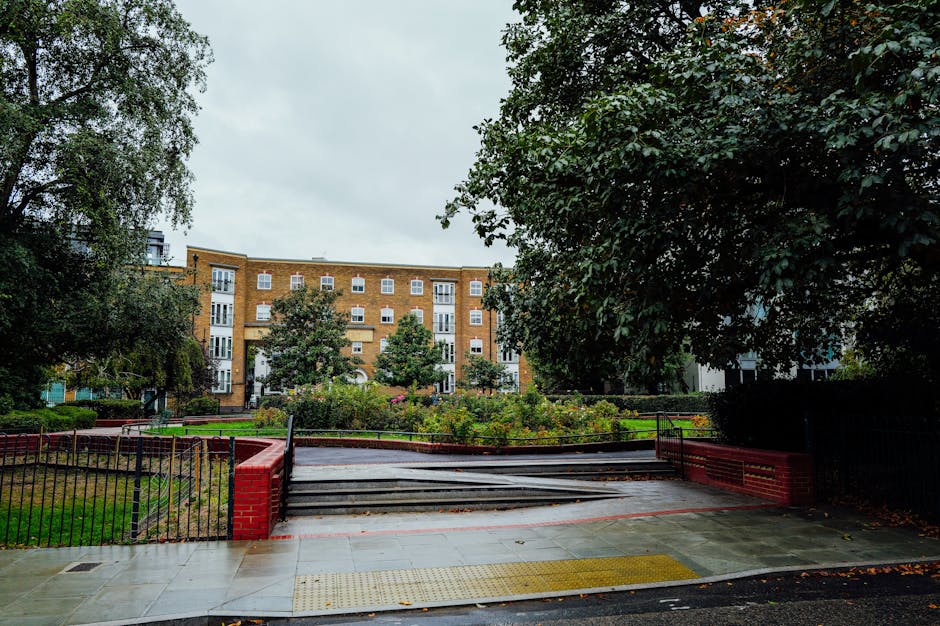
Affordable garden maintenance for Brixton estates Lambeth
If you manage a Brixton estate, oversee a block of flats, or simply want shared outdoor spaces to look cared for without runaway costs, you already know the balancing act. Gardens in Lambeth can go from tidy to tired very quickly: fast-growing grass after a wet week, hedges leaning into paths, litter gathering near beds, and communal areas that need attention before residents even mention them. Affordable garden maintenance for Brixton estates Lambeth is really about keeping everything safe, neat, and presentable without paying for unnecessary extras.
Done well, it is not just a mowing job. It is a sensible maintenance routine that protects kerb appeal, reduces complaints, and stops small problems from becoming expensive ones. In this guide, you will find a practical breakdown of how estate garden care works, what to expect, where savings are made, and how to choose a service that feels dependable rather than patchy. If you want a broader look at service choices, the site's services overview is a useful place to start.
Table of Contents
- Why Affordable garden maintenance for Brixton estates Lambeth Matters
- How Affordable garden maintenance for Brixton estates Lambeth Works
- Key Benefits and Practical Advantages
- Who This Is For and When It Makes Sense
- Step-by-Step Guidance
- Expert Tips for Better Results
- Common Mistakes to Avoid
- Tools, Resources and Recommendations
- Law, Compliance, Standards, or Best Practice
- Options, Methods, or Comparison Table
- Case Study or Real-World Example
- Practical Checklist
- Conclusion
- Frequently Asked Questions
Why Affordable garden maintenance for Brixton estates Lambeth Matters
Estate gardens are different from private gardens. They are used more often, seen by more people, and judged more quickly. A single untidy border can affect how residents feel about the whole site. That may sound dramatic, but let's face it, the first thing people notice when they come home is often the path, the grass, or that overgrown hedge near the entrance.
Affordable maintenance matters because estates usually need consistency more than dramatic transformation. You do not always need a big redesign. Often, you need regular mowing, edging, hedge cutting, basic clearance, and seasonal tidying. Keep up with those basics and the whole place feels calmer. Miss them for a month or two and the job gets bigger, messier, and more expensive.
In Brixton and across Lambeth, shared gardens can also face practical pressures: heavy foot traffic, compact planting beds, limited storage for tools, and a mix of sun, shade, and damp patches. Some areas dry out quickly while others stay soggy. A maintenance plan built for this sort of site needs to be realistic, not idealistic.
There is also the social side. Residents want outdoor space that feels safe and cared for. A tidy garden can reduce friction between neighbours, support better use of communal areas, and make estate management easier. The work is small in appearance, but the effect can be surprisingly large.
Expert summary: The cheapest garden service is not always the affordable one. True value comes from regular, well-scoped maintenance that prevents bigger remedial work later on.
How Affordable garden maintenance for Brixton estates Lambeth Works
Most affordable estate garden maintenance plans are built around routine tasks rather than one-off heavy labour. That usually means a schedule agreed in advance, a clear scope of work, and a realistic plan for what gets done each visit. Nothing fancy. Just consistency.
A typical maintenance visit may include grass cutting, border tidying, leaf collection, hedge trimming, weeding, pruning light growth, litter picking, and clearing access routes. Some sites need extra care around paved communal areas, bins, play spaces, or seating corners where debris tends to build up. In our experience, those little hotspots matter more than people think.
The most cost-effective arrangements usually work in one of three ways:
- Scheduled routine visits: weekly, fortnightly, or monthly depending on growth and foot traffic.
- Seasonal maintenance: heavier attention in spring and summer, lighter in winter.
- Hybrid support: regular upkeep plus occasional deeper work, such as clearance or hedge reshaping.
The trick is matching the plan to the site, not the other way around. A small, shaded communal garden does not need the same frequency as a large estate lawn exposed to direct sun and frequent use.
Cost control comes from planning. If a contractor knows where the trouble spots are, how access works, and what needs priority, they can work faster and more efficiently. That usually means less wasted time, fewer repeat visits for the same issue, and better value for the estate overall.
For residents or managers who want a more detailed maintenance package, the dedicated garden maintenance service can be a helpful reference point. If the site has an accumulation of rubbish, cuttings, or old green waste, then garden clearance may be the better starting step before routine work begins.
Key Benefits and Practical Advantages
Affordable estate garden maintenance is not only about saving money. It is also about avoiding waste, reducing stress, and keeping the site easy to manage. Here are the practical advantages that usually matter most.
1. Better first impressions
A neat entrance, trimmed hedge, and tidy lawn change how a whole property feels. People notice. Prospective tenants notice too, even if they never say it aloud. A well-kept garden can make a building feel looked after rather than neglected.
2. Lower long-term costs
Regular maintenance can prevent costly recovery work. If grass is cut before it becomes long and patchy, or if hedges are trimmed before they spread into walkways, there is less need for heavier intervention later. Simple, really.
3. Safer shared spaces
Overgrown areas can hide litter, trip hazards, or broken edges. A maintenance schedule helps keep routes visible and usable. That is especially important near entrances, bin stores, and communal seating areas.
4. Less resident frustration
Many estate issues are not dramatic; they are repetitive. The grass is too long again. The hedge is blocking light again. Leaves are building up again. Regular care reduces those repeat complaints, which is no small thing for managers.
5. Easier seasonal transitions
Spring growth, summer strimming, autumn leaf fall, and winter tidying all bring different tasks. A good maintenance plan handles those shifts without turning every season into a crisis.
6. More usable outdoor space
When communal green areas are maintained properly, residents are more likely to use them. Even a modest patch of lawn becomes more inviting when it is clean, edged, and not half hidden by weeds.
There is also a subtle benefit: people tend to treat tidy spaces better. It is one of those everyday truths that feels a bit too obvious, but it is true nonetheless.
Who This Is For and When It Makes Sense
This kind of service is a good fit for housing associations, property managers, resident management groups, landlords with shared gardens, and estate teams trying to control costs without letting standards slide. It also makes sense for smaller residential developments where the outdoor area is shared, but no one has the time to manage it properly.
It can be especially useful if any of the following sound familiar:
- the estate looks fine right after a cut, then slips again quickly
- residents keep raising the same garden-related issues
- you are spending too much on emergency tidy-ups
- there are access paths, communal borders, or small lawns that need regular attention
- the site needs seasonal hedge trimming, not just mowing
It may also make sense to bring in external support if your internal team is stretched. Let's be honest, maintenance staff already have enough to do on a busy estate without also managing clunky mowers or chasing leaf fall in the rain.
If the site includes hard landscaping, timber features, or seating areas, a broader contractor may help keep the whole environment in better shape. For example, some estates combine garden work with landscaping support or occasional decking services where outdoor communal spaces need more than basic plant care.
Step-by-Step Guidance
If you are trying to put a maintenance plan in place, keep it simple at first. The best systems are the ones people will actually stick to.
- Walk the site properly. Look at entrances, paths, lawns, hedges, bins, secluded corners, and anywhere litter or weeds gather. Take note of problem areas rather than guessing.
- Decide what is essential. Some tasks are must-do items, such as grass cutting and safe access. Others can wait a little longer, such as shaping ornamental planting.
- Set a realistic frequency. A fortnightly visit might be enough for one estate and nowhere near enough for another. Growth rate, shade, and use all matter.
- Split routine from occasional work. Routine work keeps the site stable. Occasional work handles heavier jobs like hedge reshaping or clearance after seasonal leaf drop.
- Clarify access and waste handling. Make sure there is a plan for gate access, storage, and removal of green waste. Poor logistics waste time and money.
- Review after the first few visits. If certain areas are repeatedly missed or growing back faster, adjust the plan. No shame in that. It is normal.
One good habit: ask for the scope in plain English. Not just "maintenance," but what that actually includes. Grass? Edging? Weeding? Waste removal? If the answer is vague, the schedule probably will be too.
Expert Tips for Better Results
Small changes can make estate maintenance more efficient and less expensive. These are the details people often skip, then regret later.
Keep the scope tight and specific
Broad requests sound convenient, but they can create confusion. The clearer the work order, the less time gets spent on interpretation. That saves money and frustration.
Focus on the visible zones first
Residents and visitors mostly see the same areas every day: entrances, paths, front lawns, and communal borders. Keep those top priority. If the site looks good where people walk, the whole estate tends to feel better maintained.
Trim before things get wild
Hedges and shrubs are cheaper to maintain when they are cut regularly rather than rescued after a long neglect period. Rescue work is rarely "affordable" in the real sense.
Use seasonal planning
Spring and early summer usually demand more frequent attention. Autumn can bring leaf build-up and wet debris. Winter is about keeping things safe and clear, not necessarily perfect. That distinction helps.
Do not ignore the edges
Edges along fences, walls, and paving often reveal whether a site is truly cared for. A neatly cut lawn with messy borders looks half-done. There, I said it.
Bring in specialist help for specialist jobs
If the site needs heavier hedge work or tree-related pruning, do not force routine maintenance teams to tackle jobs outside their comfort zone. For more technical cutting, the dedicated hedge trimming service and tree lopping and removal pages may be relevant when those issues arise.
And if you want the grass kept consistently neat, a structured lawn mowing service often delivers the best day-to-day value. It sounds basic, but a clean cut does a lot of heavy lifting visually.
Common Mistakes to Avoid
Affordable maintenance becomes expensive very quickly when the plan is wrong. These are the usual traps.
- Waiting too long between visits. The site gets harder and slower to manage, and the labour cost rises.
- Trying to do everything at once. If the garden is in rough shape, split the work into stages rather than asking for a miracle in one visit.
- Choosing on price alone. A low quote with vague scope can end up costing more once extras appear.
- Not checking waste disposal. Green waste left onsite is an avoidable headache.
- Ignoring resident feedback. People living there will often know which spots are missed or where problems recur.
- Overlooking safety and access. Locked gates, poor lighting, or awkward entry routes can turn a routine visit into a slow one.
A common one, and this happens more than it should, is assuming all garden work is interchangeable. It is not. Mowing, hedge work, clearance, and landscaping each have different time demands and different skills. Treating them as the same usually ends in frustration.
Tools, Resources and Recommendations
You do not need a shed full of specialist equipment to run an estate maintenance plan well. What matters is having the right basics and using them properly.
For most communal gardens, the working set usually includes:
- reliable mowers suited to the grass area
- strimmers for edges and awkward corners
- hedge cutters for regular shaping
- basic hand tools for weeding and pruning
- bags or containers for collected green waste
- gloves, eye protection, and suitable footwear
From a management point of view, the most useful resource is a simple site log. Nothing fancy. Just a record of visits, work completed, seasonal issues, and any access problems. It helps with continuity if the same contractor is not always on site.
If you are comparing services or thinking about wider estate upgrades, the pages on landscape gardening and landscaping can help you understand where maintenance ends and improvement work begins. That distinction matters when budgets are tight. Maintenance keeps things steady; landscaping changes the site itself.
For estates with a lot of debris, overgrowth, or one-off neglect, starting with clearance can be the sensible move before routine care begins. It is a bit like tidying a room before you decide how to keep it tidy.
Law, Compliance, Standards, or Best Practice
For Brixton estates and other shared residential sites, garden maintenance is not just about appearance. It also touches safety, access, waste handling, and general site responsibility. The exact obligations vary depending on who manages the property and what kind of land is involved, so careful judgement is important.
In practical terms, good best practice usually includes:
- keeping access routes clear and reasonably safe
- managing vegetation so it does not block visibility or movement
- handling waste responsibly and avoiding fly-tipping risks
- using properly trained staff for higher-risk work
- checking insurance and safety arrangements before work begins
If contractors are working near trees, larger branches, or elevated cutting areas, the risk profile changes. That is where proper planning and insurance matter more than the cheapest quote on the page. The site's insurance and safety information and health and safety policy are worth reviewing when you are assessing providers. It is not glamorous reading, sure, but it tells you a lot about how seriously a provider takes the work.
Waste and recycling are another important part of best practice. Garden cuttings, leaves, and green waste should be dealt with responsibly rather than left to build up. If sustainability matters to your residents or management team, the recycling and sustainability page may be helpful context.
There is also a trust angle. Ask how complaints are handled, how payments are secured, and what happens if the scope changes during the job. Those details can seem dull on day one and very important on day ten.
Options, Methods, or Comparison Table
Different maintenance methods suit different budgets and estate sizes. Here is a simple comparison to help you think it through.
| Approach | Best for | Pros | Watch-outs |
|---|---|---|---|
| Regular routine maintenance | Occupied estates with ongoing use | Predictable cost, consistent appearance, fewer complaints | Needs reliable scheduling and clear scope |
| One-off tidy-up | Sites that have fallen behind | Quick visual improvement, useful reset point | Not cost-effective if used as a substitute for routine care |
| Seasonal maintenance plan | Estates with clear spring/autumn peaks | Matches growth cycles, flexible on budget | Can leave gaps if the site needs more frequent attention |
| Hybrid maintenance plus clearance | Overgrown or mixed-condition sites | Good for gradual recovery and future control | Needs good planning to avoid overlap or double work |
In many Brixton estates, the hybrid approach is the sweet spot. You get an initial reset, then a manageable routine thereafter. A bit of structure goes a long way.
Case Study or Real-World Example
Imagine a small estate near a busy Brixton street, with one shared lawn, two hedge lines, and a narrow path leading to the back of the building. Nothing massive. Just enough to notice when it starts slipping.
At first, the grass is cut only when someone has time. Then the hedges push out. Then the leaves gather near the bin area. Residents start mentioning it at the same time the managing agent is dealing with other issues, and suddenly the garden becomes one more thing on a long list.
The practical fix is not dramatic. A proper maintenance plan is put in place: routine mowing every growing period, hedge trimming before it becomes intrusive, light weeding around borders, and occasional clearance after windier weeks. The site does not need a full redesign. It needs rhythm.
After a few visits, the improvement is mostly about calm. The grass looks even. The access path feels wider. The hedge no longer brushes shoulders. Residents stop talking about the garden so much, which, in property management terms, is often a very good sign.
That is the reality of affordable garden maintenance for Brixton estates Lambeth: not perfection, just steady control. And honestly, steady control is what most shared sites need.
Practical Checklist
Use this as a quick working checklist before agreeing a maintenance plan.
- Have the key garden areas been walked and assessed in person?
- Do you know which tasks are routine and which are occasional?
- Is the visit frequency realistic for the growth rate and season?
- Are access points, locks, and storage arrangements clear?
- Have waste removal and green waste handling been discussed?
- Are hedges, lawns, and borders included in writing?
- Is the provider able to handle both basic upkeep and heavier jobs when needed?
- Have safety, insurance, and complaint handling been checked?
- Is there a simple review process after the first few visits?
- Do residents know what level of upkeep to expect?
If you can tick most of those off, you are already ahead of many estates that end up paying more later because the basics were never pinned down.
Conclusion
Affordable garden maintenance for Brixton estates Lambeth is really about smart consistency. Keep the work focused, the schedule realistic, and the expectations clear. That is how you hold costs down without letting standards drift. Shared gardens do not need constant drama; they need attention at the right moments, with the right tasks, by people who understand estate life.
If you are weighing up options, start with the condition of the site, the frequency of use, and the level of upkeep residents actually notice. Then match the plan to that reality. Not the other way round. A well-kept estate garden does more than look nice. It supports everyday living, and that matters more than people sometimes admit.
Get a free quote today and see how much you can save.
Frequently Asked Questions
What does affordable garden maintenance for a Brixton estate usually include?
It usually covers regular grass cutting, hedge trimming, edging, weeding, light pruning, leaf collection, and keeping communal areas tidy. The exact scope should always be confirmed in writing, because "maintenance" can mean different things to different providers.
How often should an estate garden be maintained?
That depends on size, usage, planting, and the season. Busy communal spaces often need weekly or fortnightly attention during peak growth, while smaller or lower-use sites may cope with less frequent visits. The right frequency is the one that stops problems from building up.
Is one-off clearance enough for an overgrown estate garden?
Usually not on its own. One-off clearance is useful as a reset, but without follow-up maintenance the garden tends to slip back. It is better to pair clearance with a routine plan if you want longer-term value.
How can an estate keep costs down without cutting quality?
The biggest savings usually come from regular upkeep, clear task lists, sensible visit frequency, and avoiding emergency callouts. Preventive care is often cheaper than trying to rescue a neglected site. That's the honest answer.
What should I ask before hiring a garden maintenance provider?
Ask what is included, how often visits will happen, how waste is handled, whether hedge work and mowing are covered, and what happens if access is difficult or the scope changes. Good providers will answer plainly, without hiding behind vague wording.
Can garden maintenance help reduce resident complaints?
Yes, very often. Residents tend to complain less when shared areas are visibly cared for and access routes stay clear. A predictable maintenance routine can remove a lot of friction, especially around entrances and communal lawns.
What is the difference between maintenance and landscaping?
Maintenance keeps the existing garden in good condition. Landscaping changes the layout, structure, or features of the outdoor space. If the estate only needs upkeep, maintenance is the more affordable option. If the site needs redesign or improvements, landscaping may be appropriate.
Do estate gardens need different care in different seasons?
Yes. Spring and summer often need more frequent mowing and edging, while autumn brings more leaf collection and winter is usually about keeping the site safe and manageable. Seasonal planning prevents the garden from becoming a scramble every few months.
How do I know if hedge trimming or tree work is needed?
If hedges are blocking paths, reducing light, or becoming too wide to manage, trimming is probably overdue. Tree-related work is more specialised, especially if branches are overhanging buildings or access areas. In those cases, it is better to review the specific service rather than guessing.
Is it worth using a contractor for a small estate garden?
Often yes, because even small shared gardens need consistent care. The cost of occasional fixes can be higher than a steady maintenance arrangement. For small estates, reliability matters more than scale. Every time.
What should a good maintenance quote include?
A good quote should show the main tasks, visit frequency, waste handling, and any exclusions or optional extras. It should be clear enough that a non-specialist can understand it. If it feels vague, ask for more detail before agreeing.
How can I tell if a service is good value?
Look beyond the headline price. Consider consistency, clarity, safety, waste removal, and whether the provider can prevent problems rather than just respond to them. Value in estate gardening is about the whole outcome, not just the invoice total.